Physician Icon Vector Male Person Symbol: A Guide to Medical Visual Assets
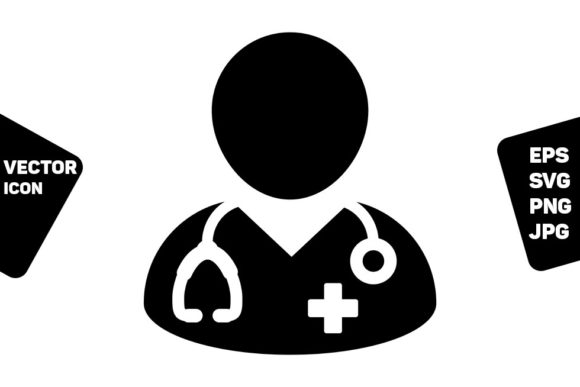
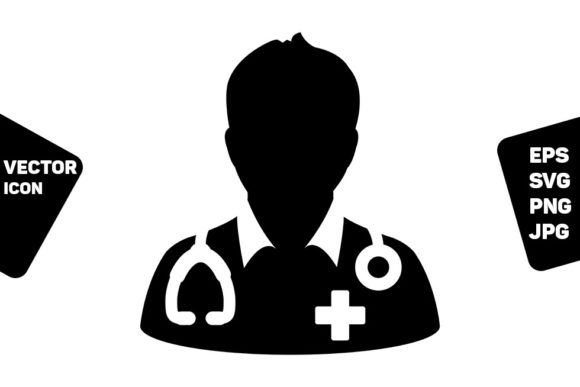
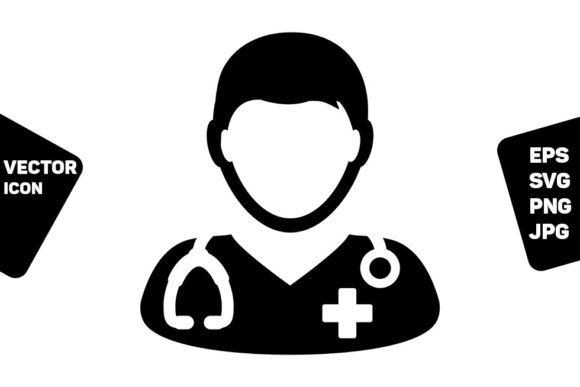
In the complex landscape of digital healthcare communication, visual clarity is just as critical as medical accuracy. When users navigate a hospital website, a telehealth application, or an educational brochure, they rely on immediate visual cues to understand content and find services. The Physician Icon Vector Male Person Symbol serves as one of these foundational elements in user interface design and informational graphics. This specific visual asset—a glyph pictogram illustration featuring a male person profile avatar with a stethoscope—is more than just a decorative element; it is a functional tool that bridges the gap between technical medical information and public understanding.
For designers, developers, and healthcare administrators, selecting the right iconography involves understanding format versatility, semantic meaning, and practical application. This guide explores the utility of the physician icon vector male person symbol across various media, examining why having access to PNG, SVG, EPS, and JPG files is essential for modern medical projects.
The Semantics of the Stethoscope Avatar
Visual language in healthcare must be universally understood while remaining culturally sensitive and professional. The male physician profile with a stethoscope has become a standardized signifier for "doctor," "consultation," or "medical advice." Unlike photographic stock images, which can carry specific biases regarding age, ethnicity, or setting, a glyph pictogram illustration abstracts these details to focus purely on function.
Why Abstraction Matters in UI Design
In User Interface (UI) design, screen real estate is precious. A detailed photograph of a doctor might require 200x200 pixels to be recognizable, whereas a well-crafted vector symbol communicates the same concept at 32x32 pixels. This efficiency allows for cleaner navigation menus, faster load times, and less cognitive load for patients who may already be stressed or unwell. The silhouette style ensures that the icon remains legible whether it is displayed on a smartwatch screen or a large-format waiting room monitor.
Furthermore, the inclusion of the stethoscope is a deliberate semiotic choice. While many medical professionals do not wear stethoscopes daily, the instrument remains the most globally recognized symbol of clinical care. It instantly differentiates a physician from other medical staff, such as nurses or pharmacists, helping users navigate complex healthcare directories without reading extensive text labels.
Navigating File Formats for Diverse Applications
A common mistake in digital asset management is using the wrong file format for the intended medium. The value of a comprehensive icon package lies in its versatility. When utilizing a Physician Icon Vector Male Person Symbol, understanding the distinct roles of PNG, SVG, EPS, and JPG files ensures optimal quality and performance.
- SVG (Scalable Vector Graphics): This is the gold standard for web and UI design. Because SVGs are code-based rather than pixel-based, they scale infinitely without losing sharpness. They are ideal for responsive websites where the icon must resize fluidly across mobile, tablet, and desktop breakpoints. Additionally, SVGs can be styled with CSS, allowing developers to change the icon's color to match brand guidelines or indicate interactive states like hovering or clicking.
- EPS (Encapsulated PostScript): While SVG dominates the web, EPS remains the industry standard for print production. If you are designing business cards, letterheads, billboards, or medical equipment packaging, the EPS file provides the vector data necessary for high-resolution printing. It ensures that the edges of the male person profile remain crisp even when scaled to several feet in width.
- PNG (Portable Network Graphics): Not all platforms support vector files. Content Management Systems (CMS), email newsletters, and presentation software often require raster images. PNG is superior to JPG for icons because it supports transparency. This allows the physician symbol to sit seamlessly over colored backgrounds, gradients, or photographs without an unsightly white box surrounding it. PNGs also preserve the hard edges of glyph illustrations without compression artifacts.
- JPG (Joint Photographic Experts Group): Generally less suitable for solid-color icons due to compression noise, JPG files still have a place in legacy systems or specific social media contexts where file size must be minimized above all else. However, for professional medical design, this format should be used sparingly and only when transparency or vector scaling is not required.
Practical Applications Across Industries
The utility of the physician icon vector male person symbol extends far beyond simple website navigation. Its neutral, professional aesthetic makes it adaptable for various stakeholders in the healthcare ecosystem.
Telehealth and Digital Health Platforms
In telemedicine apps, trust is established through consistent visual branding. Using a cohesive set of glyph pictograms helps create a sense of order and reliability. When a patient searches for a specialist, the male physician avatar acts as a quick filter, reducing the time spent scanning text. For accessibility, these icons should always be paired with appropriate alt text, but visually, they serve as anchors in a sea of information.
Educational Infographics and Public Health
Public health campaigns often need to convey complex instructions quickly. An infographic explaining vaccination schedules or symptom checking relies heavily on iconography to break up dense text. The male person profile with a stethoscope can represent "Consult your Doctor" or "Medical Approval" within a flowchart. Because glyph styles are minimalist, they do not compete with the data visualization, ensuring the message remains the focal point.
Corporate and Insurance Documentation
Health insurance portals and corporate wellness programs benefit from standardized iconography to denote coverage tiers or provider networks. A vector symbol ensures that these documents look professional regardless of whether they are viewed digitally or printed by the member. The consistency of using a specific glyph style across all touchpoints reinforces brand identity and reduces user confusion.
Evaluating Suitability and Best Practices
While the Physician Icon Vector Male Person Symbol is highly versatile, it is not a universal solution. Creators must evaluate its suitability based on context, audience, and inclusivity goals.
Considerations for Representation
Using exclusively male physician symbols can inadvertently reinforce outdated gender stereotypes in medicine. Modern best practices suggest using this icon as part of a broader system. Pairing the male profile with female and non-binary physician avatars creates a more inclusive visual language. If space permits, consider using a gender-neutral medical symbol for general categories and reserving gendered avatars for specific directory listings where the provider’s identity is relevant.
Technical Integration Tips
When implementing these files, attention to technical detail prevents common pitfalls:
- ViewBox Optimization: Ensure the SVG viewBox is tightly cropped to the artwork. Excess whitespace in the code can cause alignment issues in flexbox or grid layouts.
- Color Contrast: Medical icons often appear on white backgrounds. Ensure the glyph color meets WCAG accessibility standards for contrast. Dark grey or navy blue often reads better than pure black, which can appear too harsh on screens.
- Sizing Consistency: Establish a standard size hierarchy early in the design process. If the male physician icon is 24px in the navigation, it should not be 28px in the footer. Visual rhythm contributes to perceived professionalism.
- Cross-Browser Testing: While SVG support is excellent, rendering can vary slightly between browsers. Always test the icon on Safari, Chrome, and Firefox to ensure stroke widths and fills render consistently.
Making Informed Asset Decisions
Selecting the right visual assets is a strategic decision that impacts user experience, brand perception, and operational efficiency. The Physician Icon Vector Male Person Symbol offers a robust solution for teams needing reliable, scalable, and semantically clear medical imagery. By leveraging the strengths of multiple file formats—SVG for the web, EPS for print, and PNG for compatibility—organizations can maintain visual consistency across every patient touchpoint.
Ultimately, the goal of medical iconography is to reduce friction. Whether guiding a patient to a consultation booking page or clarifying a step in a treatment plan, the right symbol speaks faster than words. Understanding the technical and contextual nuances of these assets empowers creators to build healthcare experiences that are not only visually appealing but genuinely useful to the people who need them most. When evaluating assets for your next project, prioritize those that offer format flexibility and adhere to principles of clarity and inclusivity, ensuring your visual communication is as effective as the care it represents.