Teamwork Icon Vector Male Group People: Strategic Visual Assets for Business Management
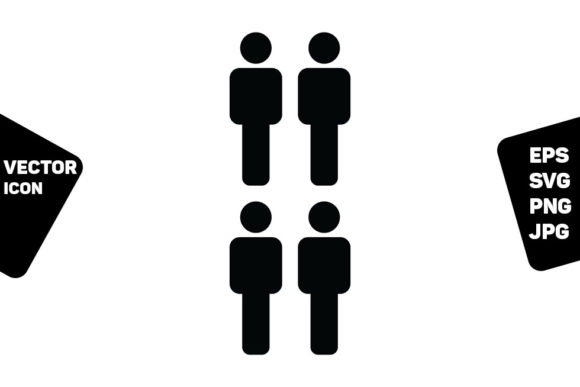
Effective visual communication in business management requires more than aesthetic appeal; it demands clarity, scalability, and contextual relevance. The Teamwork Icon Vector Male Group People asset serves as a functional design element specifically engineered for professional environments where representing organizational structure, collaboration, and leadership is necessary. This flat color glyph pictogram illustration provides a standardized visual language for web interfaces, UI design, infographics, and print collateral. By utilizing high-quality vector formats like SVG and EPS alongside raster options like PNG and JPG, decision-makers can ensure consistent branding across digital and physical touchpoints without compromising resolution or load times.
Selecting the right iconography is a strategic operational decision. When stakeholders encounter a male group symbol in a business context, they process specific semantic information regarding hierarchy, department composition, or target demographics. Using this specific avatar set intentionally allows organizations to map out complex team structures in presentations, define user personas in product development, or illustrate workforce demographics in annual reports. The value lies not merely in the graphic itself, but in its ability to reduce cognitive load during information consumption, allowing audiences to focus on data and strategy rather than deciphering ambiguous visuals.
Strategic Application in Organizational Planning and Communication
The primary utility of the Teamwork Icon Vector Male Group People extends beyond simple decoration. In strategic planning and internal communication, these icons function as cognitive anchors. When developing organizational charts or workflow diagrams, consistent use of gender-specific avatars helps distinguish between different departments, shifts, or project teams at a glance. For example, a manufacturing firm might use male group icons to represent production floor teams while using distinct variations for logistics or engineering, creating an immediate visual taxonomy that speeds up comprehension during executive briefings.
In external communications, such as investor decks or client proposals, precision in iconography signals professionalism. A flat color glyph style eliminates unnecessary detail, ensuring the icon remains legible at small sizes on mobile dashboards or large formats on conference room screens. This versatility supports omnichannel marketing strategies where visual consistency builds brand trust. When an entrepreneur or marketer integrates this specific pictogram into a comprehensive design system, they establish a reusable asset that maintains integrity whether rendered as a 16px favicon or a billboard-sized infographic element.
Leveraging File Formats for Technical and Operational Efficiency
Understanding the technical specifications of available file formats is crucial for maximizing the return on design assets. The inclusion of SVG (Scalable Vector Graphics) and EPS (Encapsulated PostScript) files addresses the needs of modern responsive web design and professional printing. SVGs are code-based vectors that scale infinitely without pixelation, making them ideal for UI components, app interfaces, and retina displays. They also offer smaller file sizes compared to high-resolution rasters, contributing to faster page load speeds and improved SEO performance. EPS files remain the industry standard for print production, ensuring crisp edges on business cards, brochures, and signage.
Conversely, PNG and JPG formats serve immediate, practical needs for non-designers and rapid prototyping. PNGs with transparent backgrounds allow for easy placement over colored sections in presentation software or document editors without requiring vector editing tools. JPGs provide universal compatibility for legacy systems or platforms that do not support SVG rendering. Having all four formats available reduces friction in cross-functional workflows; a marketing manager can drag a PNG into a slide deck while a web developer simultaneously implements the SVG version on the company intranet. This accessibility prevents bottlenecks and ensures that visual standards are maintained even when professional designers are not directly involved in every task.
Contextual Relevance and Audience Representation
While the Teamwork Icon Vector Male Group People is a powerful tool, its effectiveness depends entirely on accurate contextual application. Visual assets carry implicit meaning, and misalignment between the icon and the actual subject matter can undermine credibility. Decision-makers must evaluate whether a male-specific group icon accurately reflects the team, demographic, or concept being represented. In industries with predominantly male workforces, such as certain sectors of construction, heavy industry, or specialized engineering, this icon provides authentic representation. However, applying it generically to represent mixed-gender teams or diverse organizations can signal a lack of attention to detail or inclusivity.
Strategic use involves matching the visual metaphor to the narrative. If the goal is to highlight a specific men’s health initiative, a male-focused sports league, or a fatherhood program, this icon is precisely targeted. In broader corporate contexts, it may be best utilized as part of a larger library where it represents one segment of a diverse workforce rather than the entirety of the organization. Thoughtful practitioners audit their visual assets regularly to ensure alignment with current DEI (Diversity, Equity, and Inclusion) goals and brand values. Using this icon intentionally means verifying that it supports the message rather than defaulting to it out of convenience.
Enhancing User Experience and Information Architecture
In UI/UX design, icons serve as navigational signposts. The flat color glyph style of this Teamwork Icon Vector Male Group People asset aligns with modern interface trends that prioritize readability and minimalism. When used in dashboards, HR portals, or project management tools, clear iconography helps users locate features related to team management, staff directories, or resource allocation. Consistency in stroke weight, fill color, and geometric proportion ensures that this icon harmonizes with other elements in the design system, preventing visual noise that can distract from core functionality.
For educational content and training materials, visual consistency aids memory retention. When employees learn new processes through infographics or e-learning modules, recurring visual motifs create mental associations. If the male group icon consistently represents "Field Operations" throughout a training curriculum, learners quickly internalize that connection, reducing the time needed to interpret future materials. This systematic approach to visual language transforms static icons into active learning tools, supporting long-term knowledge retention and operational efficiency.
Risk Mitigation and Intentional Design Decisions
Relying on stock iconography without strategic oversight introduces risks that can dilute brand identity or cause miscommunication. One common pitfall is overuse; repeating the same Teamwork Icon Vector Male Group People across unrelated contexts strips it of specific meaning and creates visual fatigue. To avoid this, establish clear usage guidelines within your brand book. Define exactly which teams, concepts, or demographics this icon represents and specify approved color treatments and sizing ratios. Governance ensures that the asset remains a precise communication tool rather than generic clip art.
Another risk involves technical degradation. Using a JPG version for a logo or critical UI element results in compression artifacts and loss of transparency, making the brand appear unprofessional. Similarly, stretching a PNG beyond its native resolution causes blurriness. Educating team members on when to use vector versus raster formats is a necessary investment in quality control. Providing a centralized asset library with labeled, pre-optimized files reduces the likelihood of format misuse and empowers non-designers to make correct choices independently.
Long-Term Value and Asset Management
Treating iconography as a strategic asset rather than a disposable commodity yields compounding returns. High-quality vector files like SVG and EPS future-proof your visual investments. As display technologies evolve and resolution standards increase, vector assets remain valid without requiring redesign. This longevity reduces long-term costs associated with refreshing visual materials. Furthermore, owning versatile source files allows for customization; colors can be adjusted to match seasonal campaigns, and compositions can be modified to fit unique layouts without licensing additional assets.
Ultimately, the Teamwork Icon Vector Male Group People collection supports better business outcomes when integrated into a cohesive visual strategy. It facilitates clearer communication in planning documents, enhances usability in digital products, and maintains professional standards in print media. By approaching selection and implementation with intentionality—considering audience, context, format, and brand alignment—entrepreneurs, marketers, and managers can leverage this asset to build stronger, more recognizable, and more effective organizational narratives. The difference between adequate and exceptional visual communication often lies in these deliberate, informed decisions about seemingly small details.